> ## Documentation Index
> Fetch the complete documentation index at: https://mcp.transdocs.org/llms.txt
> Use this file to discover all available pages before exploring further.
# 提示词
**协议修订**:2024-11-05
模型上下文协议(MCP)提供了一种标准化方式,允许服务器向客户端暴露提示词模板。提示词允许服务器提供结构化的消息和与语言模型交互的指令。客户端可以发现可用的提示词、检索其内容,并提供参数以自定义提示词。
## 用户交互模型
提示词的设计是**由用户控制的**,这意味着它们从服务器暴露给客户端,目的是让用户能够显式选择并使用它们。
通常,提示词会通过用户界面中的用户发起的命令触发,这允许用户自然地发现并调用可用的提示词。
例如,作为斜杠命令:
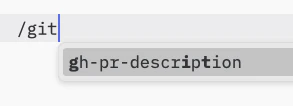 然而,实现者可以自由地通过任何适合其需求的界面模式暴露提示词——协议本身不强制要求任何特定的用户交互模型。
## 功能能力
支持提示词的服务器**必须**在[初始化](/specification/2024-11-05/basic/lifecycle#initialization)期间声明 `prompts` 能力:
```json theme={null}
{
"capabilities": {
"prompts": {
"listChanged": true
}
}
}
```
`listChanged` 表示服务器是否会在可用提示词列表发生变化时发送通知。
## 协议消息
### 列出提示词
要获取可用的提示词,客户端发送 `prompts/list` 请求。此操作支持[分页](/specification/2024-11-05/server/utilities/pagination)。
**请求:**
```json theme={null}
{
"jsonrpc": "2.0",
"id": 1,
"method": "prompts/list",
"params": {
"cursor": "可选的游标值"
}
}
```
**响应:**
```json theme={null}
{
"jsonrpc": "2.0",
"id": 1,
"result": {
"prompts": [
{
"name": "code_review",
"description": "请求LLM分析代码质量并提出改进建议",
"arguments": [
{
"name": "code",
"description": "要审查的代码",
"required": true
}
]
}
],
"nextCursor": "下一页游标"
}
}
```
### 获取提示词
要获取特定提示词,客户端发送 `prompts/get` 请求。参数可以通过[补全API](/specification/2024-11-05/server/utilities/completion)自动补全。
**请求:**
```json theme={null}
{
"jsonrpc": "2.0",
"id": 2,
"method": "prompts/get",
"params": {
"name": "code_review",
"arguments": {
"code": "def hello():\n print('world')"
}
}
}
```
**响应:**
```json theme={null}
{
"jsonrpc": "2.0",
"id": 2,
"result": {
"description": "代码审查提示词",
"messages": [
{
"role": "user",
"content": {
"type": "text",
"text": "请审查以下Python代码:\ndef hello():\n print('world')"
}
}
]
}
}
```
### 提示词列表变化通知
当可用提示词列表发生变化时,声明了 `listChanged` 能力的服务器**应该**发送通知:
```json theme={null}
{
"jsonrpc": "2.0",
"method": "notifications/prompts/list_changed"
}
```
## 消息流程
```mermaid theme={null}
sequenceDiagram
participant Client
participant Server
Note over Client,Server: 发现
Client->>Server: prompts/list
Server-->>Client: 提示词列表
Note over Client,Server: 使用
Client->>Server: prompts/get
Server-->>Client: 提示词内容
opt listChanged
Note over Client,Server: 变化
Server--)Client: prompts/list_changed
Client->>Server: prompts/list
Server-->>Client: 更新后的提示词
end
```
## 数据类型
### 提示词(Prompt)
一个提示词定义包含:
* `name`:提示词的唯一标识符
* `description`:可选的、人类可读的描述
* `arguments`:可选的、用于自定义的参数列表
### 提示词消息(PromptMessage)
提示词中的消息可以包含:
* `role`:表示说话者,为 "user" 或 "assistant"
* `content`:以下内容类型之一:
#### 文本内容
文本内容表示纯文本消息:
```json theme={null}
{
"type": "text",
"text": "消息的文本内容"
}
```
这是用于自然语言交互的最常见内容类型。
#### 图像内容
图像内容允许在消息中包含视觉信息:
```json theme={null}
{
"type": "image",
"data": "base64编码的图像数据",
"mimeType": "image/png"
}
```
图像数据**必须**为base64编码,并包含有效的MIME类型。这使得在需要视觉上下文的多模态交互中成为可能。
#### 嵌入式资源
嵌入式资源允许在消息中直接引用服务器端资源:
```json theme={null}
{
"type": "resource",
"resource": {
"uri": "resource://example",
"mimeType": "text/plain",
"text": "资源内容"
}
}
```
资源可以包含文本或二进制(blob)数据,并且**必须**包括:
* 有效的资源URI
* 合适的MIME类型
* 文本内容或base64编码的blob数据
嵌入式资源使得提示词能够无缝地将服务器管理的内容(如文档、代码示例或其他参考资料)直接整合到对话流程中。
## 错误处理
服务器**应该**对常见失败情况返回标准的JSON-RPC错误:
* 无效的提示词名称:`-32602`(参数无效)
* 缺少必需的参数:`-32602`(参数无效)
* 内部错误:`-32603`(内部错误)
## 实现注意事项
1. 服务器**应该**在处理提示词参数前进行验证
2. 客户端**应该**处理大量提示词列表的分页
3. 双方**应该**遵守能力协商
## 安全性
实现**必须**仔细验证所有提示词输入和输出,以防止注入攻击或对资源的未授权访问。
然而,实现者可以自由地通过任何适合其需求的界面模式暴露提示词——协议本身不强制要求任何特定的用户交互模型。
## 功能能力
支持提示词的服务器**必须**在[初始化](/specification/2024-11-05/basic/lifecycle#initialization)期间声明 `prompts` 能力:
```json theme={null}
{
"capabilities": {
"prompts": {
"listChanged": true
}
}
}
```
`listChanged` 表示服务器是否会在可用提示词列表发生变化时发送通知。
## 协议消息
### 列出提示词
要获取可用的提示词,客户端发送 `prompts/list` 请求。此操作支持[分页](/specification/2024-11-05/server/utilities/pagination)。
**请求:**
```json theme={null}
{
"jsonrpc": "2.0",
"id": 1,
"method": "prompts/list",
"params": {
"cursor": "可选的游标值"
}
}
```
**响应:**
```json theme={null}
{
"jsonrpc": "2.0",
"id": 1,
"result": {
"prompts": [
{
"name": "code_review",
"description": "请求LLM分析代码质量并提出改进建议",
"arguments": [
{
"name": "code",
"description": "要审查的代码",
"required": true
}
]
}
],
"nextCursor": "下一页游标"
}
}
```
### 获取提示词
要获取特定提示词,客户端发送 `prompts/get` 请求。参数可以通过[补全API](/specification/2024-11-05/server/utilities/completion)自动补全。
**请求:**
```json theme={null}
{
"jsonrpc": "2.0",
"id": 2,
"method": "prompts/get",
"params": {
"name": "code_review",
"arguments": {
"code": "def hello():\n print('world')"
}
}
}
```
**响应:**
```json theme={null}
{
"jsonrpc": "2.0",
"id": 2,
"result": {
"description": "代码审查提示词",
"messages": [
{
"role": "user",
"content": {
"type": "text",
"text": "请审查以下Python代码:\ndef hello():\n print('world')"
}
}
]
}
}
```
### 提示词列表变化通知
当可用提示词列表发生变化时,声明了 `listChanged` 能力的服务器**应该**发送通知:
```json theme={null}
{
"jsonrpc": "2.0",
"method": "notifications/prompts/list_changed"
}
```
## 消息流程
```mermaid theme={null}
sequenceDiagram
participant Client
participant Server
Note over Client,Server: 发现
Client->>Server: prompts/list
Server-->>Client: 提示词列表
Note over Client,Server: 使用
Client->>Server: prompts/get
Server-->>Client: 提示词内容
opt listChanged
Note over Client,Server: 变化
Server--)Client: prompts/list_changed
Client->>Server: prompts/list
Server-->>Client: 更新后的提示词
end
```
## 数据类型
### 提示词(Prompt)
一个提示词定义包含:
* `name`:提示词的唯一标识符
* `description`:可选的、人类可读的描述
* `arguments`:可选的、用于自定义的参数列表
### 提示词消息(PromptMessage)
提示词中的消息可以包含:
* `role`:表示说话者,为 "user" 或 "assistant"
* `content`:以下内容类型之一:
#### 文本内容
文本内容表示纯文本消息:
```json theme={null}
{
"type": "text",
"text": "消息的文本内容"
}
```
这是用于自然语言交互的最常见内容类型。
#### 图像内容
图像内容允许在消息中包含视觉信息:
```json theme={null}
{
"type": "image",
"data": "base64编码的图像数据",
"mimeType": "image/png"
}
```
图像数据**必须**为base64编码,并包含有效的MIME类型。这使得在需要视觉上下文的多模态交互中成为可能。
#### 嵌入式资源
嵌入式资源允许在消息中直接引用服务器端资源:
```json theme={null}
{
"type": "resource",
"resource": {
"uri": "resource://example",
"mimeType": "text/plain",
"text": "资源内容"
}
}
```
资源可以包含文本或二进制(blob)数据,并且**必须**包括:
* 有效的资源URI
* 合适的MIME类型
* 文本内容或base64编码的blob数据
嵌入式资源使得提示词能够无缝地将服务器管理的内容(如文档、代码示例或其他参考资料)直接整合到对话流程中。
## 错误处理
服务器**应该**对常见失败情况返回标准的JSON-RPC错误:
* 无效的提示词名称:`-32602`(参数无效)
* 缺少必需的参数:`-32602`(参数无效)
* 内部错误:`-32603`(内部错误)
## 实现注意事项
1. 服务器**应该**在处理提示词参数前进行验证
2. 客户端**应该**处理大量提示词列表的分页
3. 双方**应该**遵守能力协商
## 安全性
实现**必须**仔细验证所有提示词输入和输出,以防止注入攻击或对资源的未授权访问。